Exhibitions
End
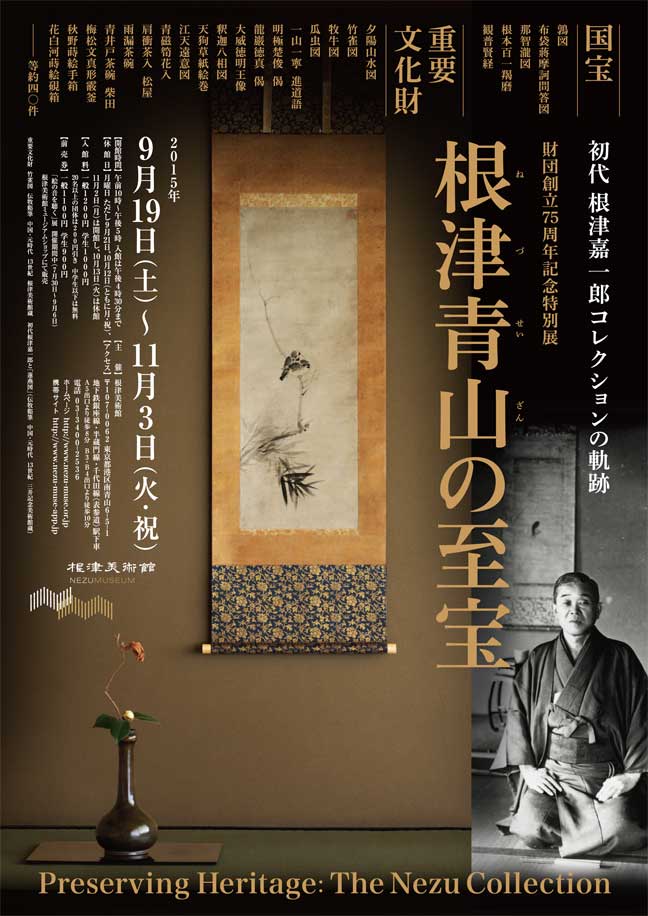
Special Exhibition Commemorating the 75th Anniversary of the Founding of the Nezu Museum
Preserving Heritage: The Nezu Collection
September 19, Saturday- November 3, Tuesday, 2015
Overview
| Dates | September 19, Saturday- November 3, Tuesday, 2015 | |
|---|---|---|
| Closed | Mondays, except 9/21, 10/12, 11/2, and closed on 10/13 | |
| Hours | 10 am to 5 pm (entrance closed at 4:30 pm) | |
| General admission (On-line timed-entry tickets) | Adult 1200 yen, Student 1000 yen | |
| Gallery | 1/2/3/4/5/6 | |
The founding of the Nezu Museum was initiated by Nezu Kaichirō I (1860-1940) and fully realized under Kaichirō II. Disheartened by the flood of classical East Asian arts abandoned and leaving for abroad after Meiji Restoration, the Kaichirō I accelerated his passion for collecting the artworks and determined to counteract this outflow of heritage. His son established the museum in accordance with his father’s will in 1940, and further safeguarded the precious artworks through the unsettled wartime years that followed. Today, the museum collection numbers more than 7400 objects, including seven National Treasures and 87 Important Cultural Properties.
In commemoration of the 75th anniversary of the foundation of the museum, this exhibition focuses in particular on paintings, calligraphies, and tea utensils. We hope that you enjoy tracing the development of the Nezu Collection through these various masterpieces.
Gallery Exhibits
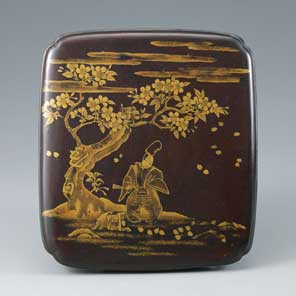
- Important Cultural Property
Writing Box, known as Hana-no-Shirakawa
An aristocratic stands beneath a cherry tree in full bloom, and the kanji characters hana (flower), shiro (white), kawa (stream) are depicted in the makie lacquer decoration on this box. This highly literary design blends visual motifs and letters linked to waka poetry, heralding blossoming cherry trees.
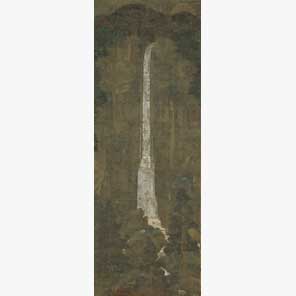
- National Treasure
Nachi Waterfall
This depiction of the Shintō deified Nachi Waterfall is a famous example of so-called suijaku syncretic Shintō-Buddhist painting. The painting also provides important information for research on various aspects of landscape paintings, such as the Chinese Song and Yuan dynasty painting influence seen in the use of ink and gold paint to depict the irregularities of the rocky cliff faces.
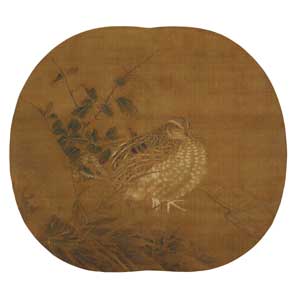
- National Treasure
Quail
Attributed to Li Anzhong
The intricacy of the depiction and carefully arranged composition give this quail painting a sense of realism. This work is renowned as a major example of Song dynasty bird and flower painting.
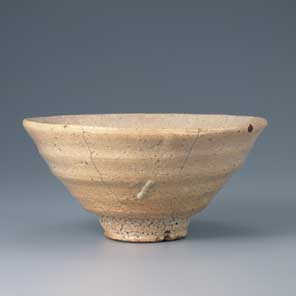
- Important Cultural Property
Tea Bowl, named Shibata
This beautifully shaped tea bowl has a light yellow colored glaze that is slightly bluish tinged in some areas. This glaze coloration is the reason this type has been dubbed Ao-Ido, or literally blue Ido type.
- TOP
- Exhibitions
- Preserving Heritage: The Nezu Collection