About the Museum
About the Museum
 Nezu Kaichirō
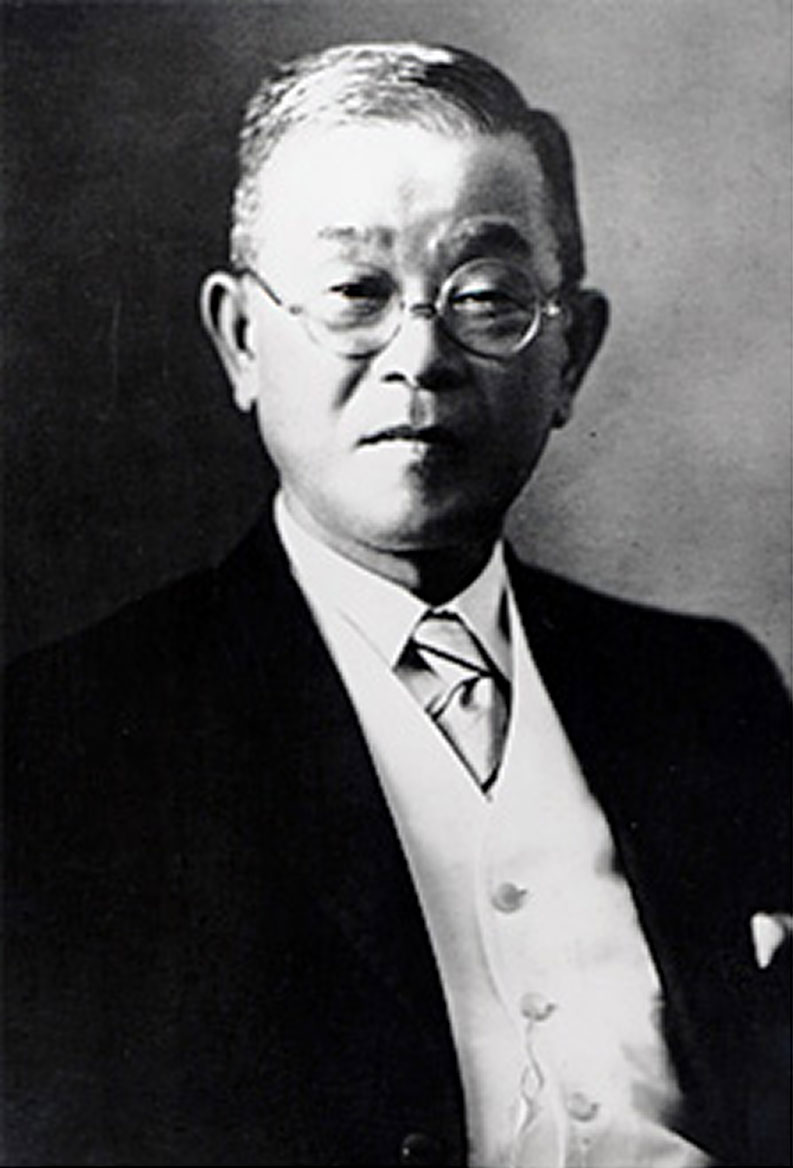
 The Nezu Museum was founded to conserve and exhibit the collection of pre-modern Japanese and East Asian art that Nezu Kaichirō (1860-1940) had passionately built. Kaichirō, a businessman whose career included being president of the Tōbu Railway Co., Ltd., was born in Yamanashi and became interested in art early in life. Upon moving to Tokyo in 1898, he displayed his abilities as a businessman and politician and expanded his field of activities to include education as well. Becoming an enthusiastic practitioner of the “way of tea” further spurred his enthusiasm for collecting, and his daring, bold approach became almost legendary. Moreover, Kaichirō did not view his collection as a private treasure trove but wish to share its enjoyment with the general public.
After Kaichirō’s sudden death, his son and heir, Kaichirō Jr., established a foundation to preserve the collection in 1940 and, in 1941, opened the Nezu Museum in its current location, which had been the site of the Nezu family residence. A great part of it, including the galleries, garden, and tea house, were lost to fire in 1945 during World War II, but the museum resumed holding exhibitions in 1946 with works of art that had been evacuated to a safer location during the war. Kaichirō Jr. worked to improve the museum’s facilities, expanding them in 1964 and renovating and expanding the museum further in 1991, to celebrate the fiftieth anniversary of its founding.
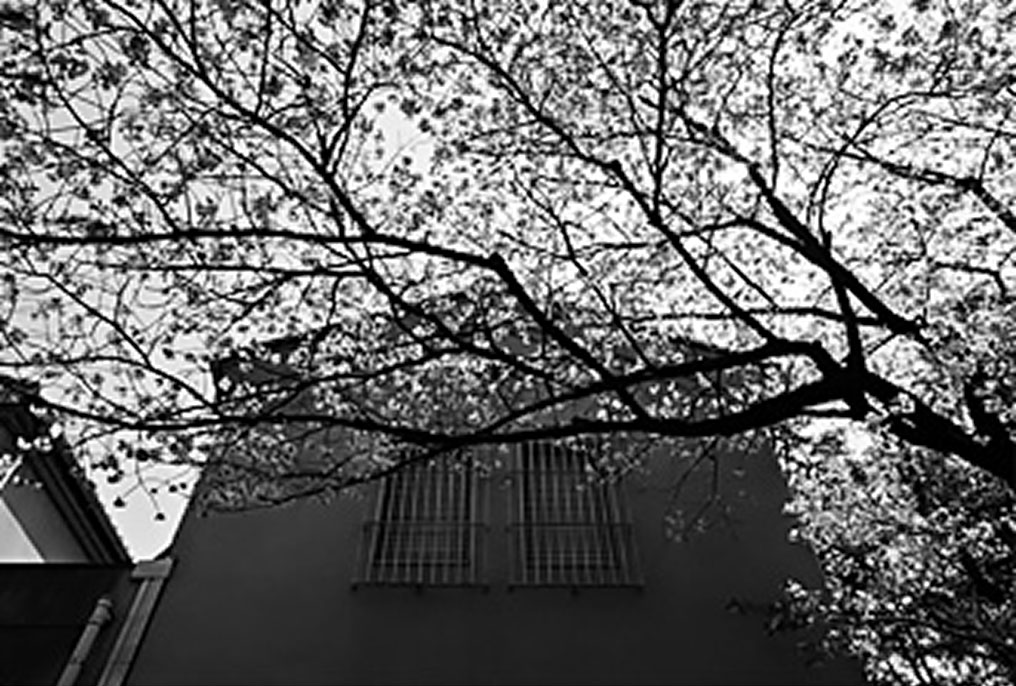
Under the leadership of Nezu Kōichi, the son of Kaichirō Jr. and the current director of the museum, we began a major new construction project in 2006. In over three and a half years, the museum reconstructed what had been the New Building as a seismically isolated storage building, demolished three quite elderly Japanese-style storehouses and the former Main Building, and built a new Main Building for exhibitions (the Main Building).
The museum's collection, which was quite large at its start, with 4,642 works, also expanded, to approximately 7,600 works. These include seven National Treasures, 93 Important Cultural Properties, and 95 Important Art Objects.
The majority of the collection is the result of Kaichirō Sr.'s ardent acquisition, beginning in his twenties, of superb pre-modern art. He was unusual among private collectors in gathering works in a wide range of genres, including painting, calligraphy, sculpture, metalwork, ceramics, lacquerware, wooden and bamboo craft, textiles, armor, and archaeological specimens. In his later years, he adopted Seizan as his tea name and collected tea wares to enjoy during the tea ceremony; those works are a major pillar of the collection.
In addition to purchases made after Kaichirō Sr. passed away, the collection includes many works donated by generous private individuals, in a demonstration of their great trust in this museum. Those purchased and donated works have further enhanced this compelling collection.
 Former Storehouse
 About the Building
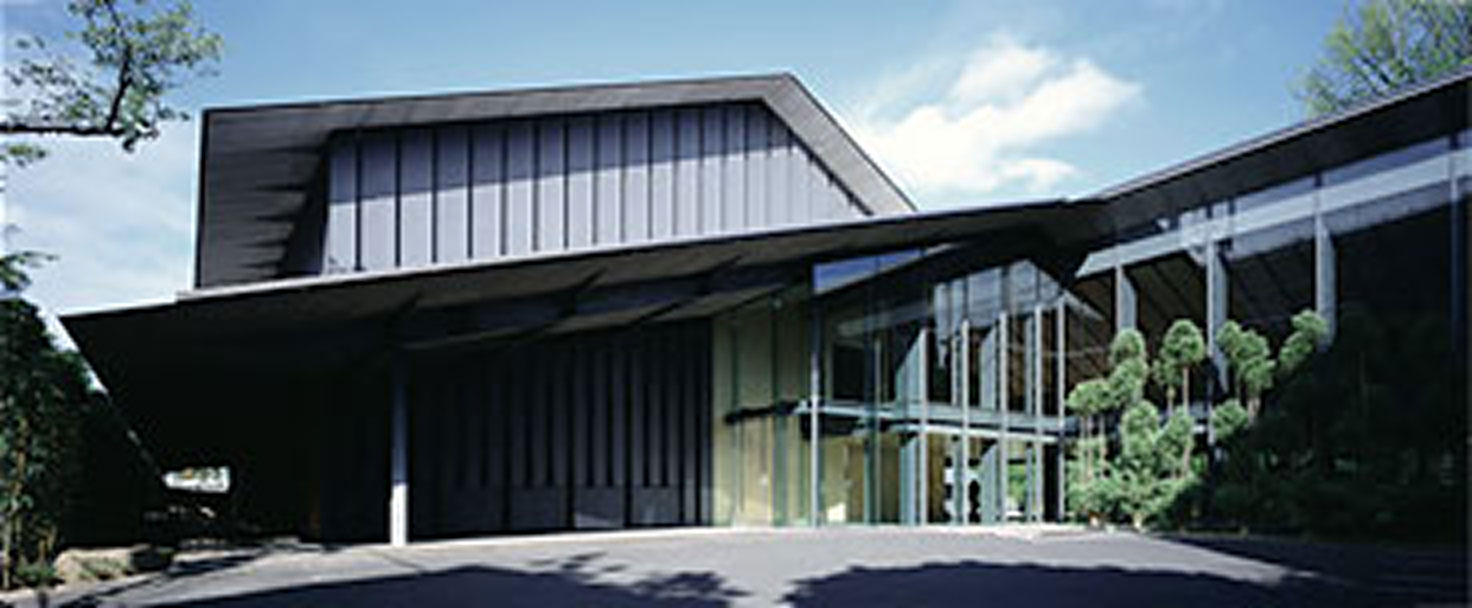
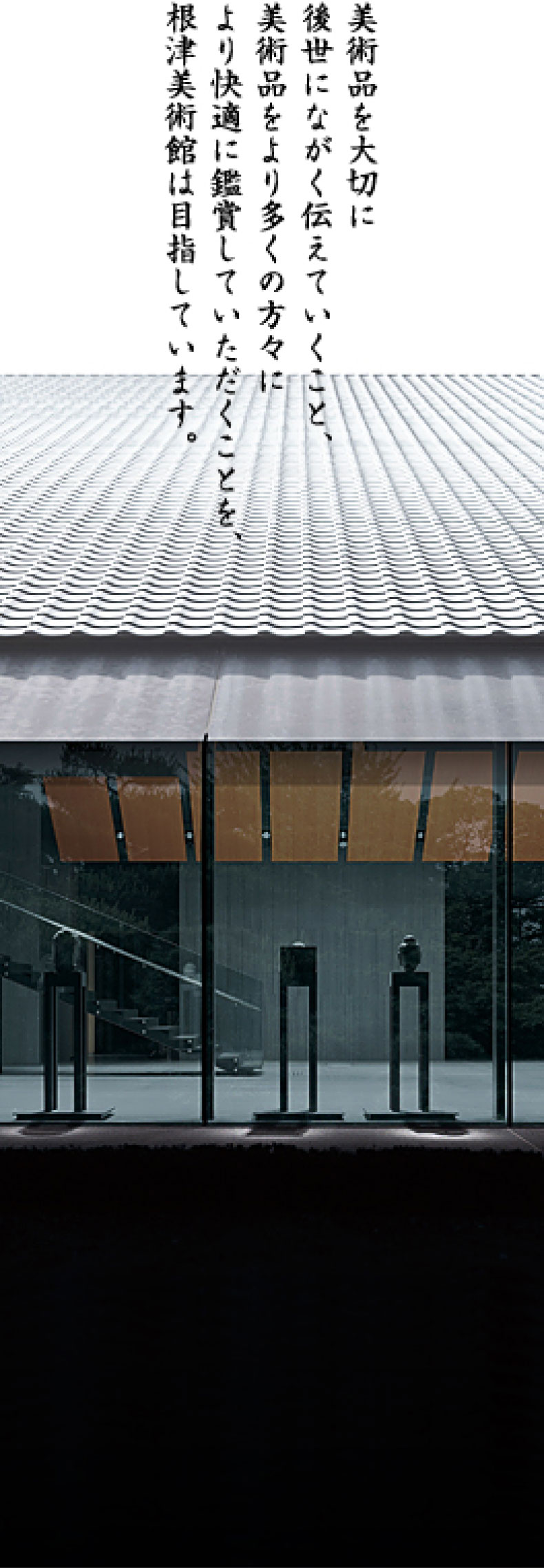
The renowned Japanese architect Kuma Kengo designed and supervised the re-building of the Nezu Museum, which was completed in 2009. Kuma tried to create a sense of harmony between the building, its collection of artistic masterpieces, and the garden, a delicate, and characteristically Japanese, serenity. Reaching the museum from Omotesandō, a bustling street lined with fashionable shops, visitors are welcomed by a graceful approach surrounded by bamboo trees. The expanse of the massive roof and the quiet vertical line of the walls signal that one is entering a special place. Extensive use of glass in the entrance hall brings the magnificent garden and the Buddhist statues inside the museum into the same picture frame.
The six galleries utilize the latest display and lighting technologies. Their use expresses the museum's commitment to provide the best possible conditions both for optimal viewing and for the conservation of classical Asian works of art made of fragile materials.
About the Logo

Nezu Museum is committed to sharing the traditions and culture of the past through superb exhibitions while conserving its heritage for future generations. Our new logo, which we began using in 2009, was designed by the German artist Peter Schmidt to promote and remind us of that dual mission.
With the 'N' and 'M' of "Nezu Museum" as the basis of the logo's graphic design, its shape calls to mind the folding screens in our collection, such as Ogata Kōrin's "Irises" screens. It also reminds one of stands of bamboo, echoing the greenery around the building. The Chinese characters used in the name 根津美術館 (Nezu Museum) in the logo are also highly distinctive in style. They were chosen from the elegant ancient Chinese steles in our collection.
- TOP
- About the Museum