Exhibitions
End
Museum Collection Exhibition
A Ceramic Travelogue China, Japan, and the Korean Peninsula
Saturday, August 15 – Monday, October 12, 2026
Overview
| Dates | Saturday, August 15 – Monday, October 12, 2026 | |
|---|---|---|
| Closed | Closed on Mondays, except September 21, October 12, and closed on September 24. | |
| Hours | 10 a.m. - 5 p.m.(last entry: 4:30 p.m.) | |
| General admission (On-line timed-entry tickets) | Timed-entry ticket (online) Adult : 1400 yen Student* : 600 yen *University students and above with valid student ID; Highschool and younger students with valid student ID will be admitted free of charge. Same-day tickets: plus 200 yen on the above prices. |
|
| Gallery | 1, 2, 5 | |
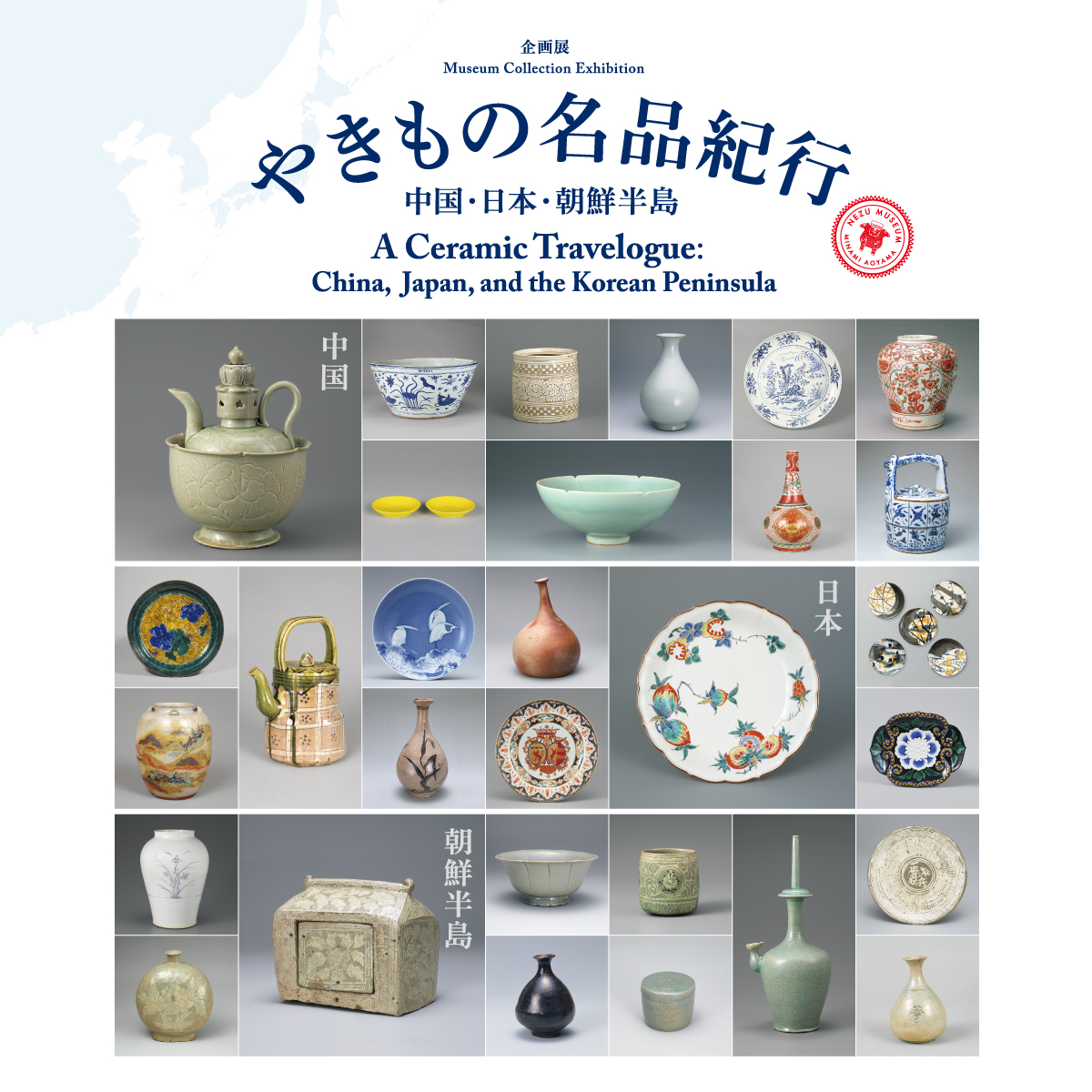
Ceramics are produced by wedging clay, forming it, and firing to harden it. T[1.1]hey have long been deeply connected to human lifestyles, as vessels for preparing or serving food, storage equipment, and decorative items, among other roles. Over time, their rich beauty, beyond their utility, was discovered, and works produced for appreciation were born. This exhibition presents a selection of masterpieces from the 2,300 ceramics in our collection. It introduced Chinese ceramics in Gallery 1, Japanese ceramics in Gallery 2, and ceramics from the Korean Peninsula in Gallery 5.
The tour of those three galleries is a journey of discovery of ceramics, over the seas and over time. We hope this experience will let you touch the essence of the cultures nurtured by the climates and landscapes of each region.
Gallery Exhibits
- Important Cultural Property
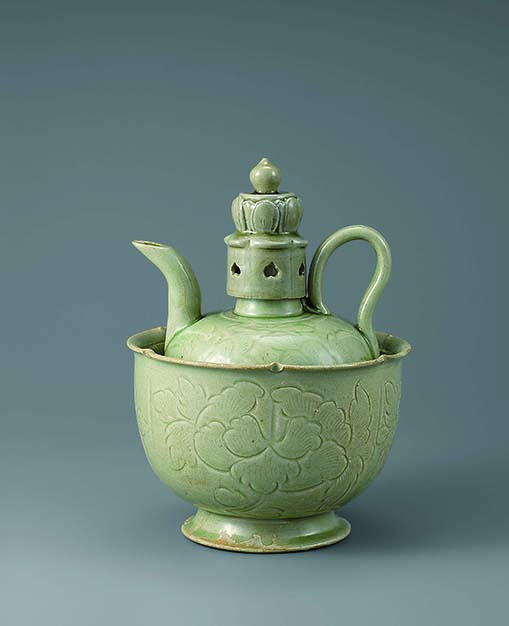
Ewer and Basin with Peony Design
This ewer and basin were produced at the Yue kiln group in Zhejiang province, China. They are a classic example of ceramics from China’s Northern Song period (960-1127). The basin would be filled with hot water to warm the wine in the ewer.
- Important Cultural Property
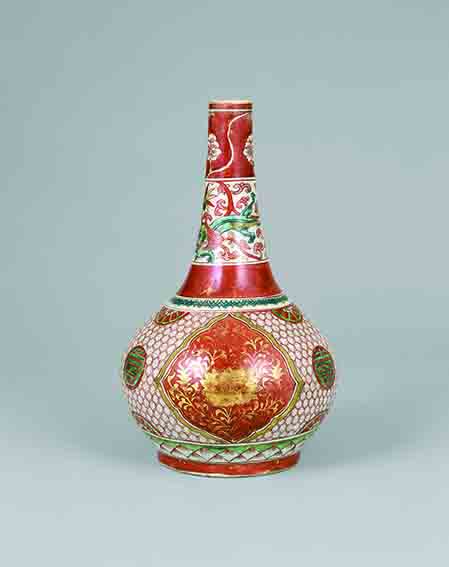
Vase with Flower Design
Jingdezhen ware group
This splendid vase was painted with red and green overglaze enamels and peony motifs added in gold pigment. Using gold decor in this way developed at the private Jingdezhen kilns. This work, with its boldly swelling lower body, is a remarkable masterpiece.
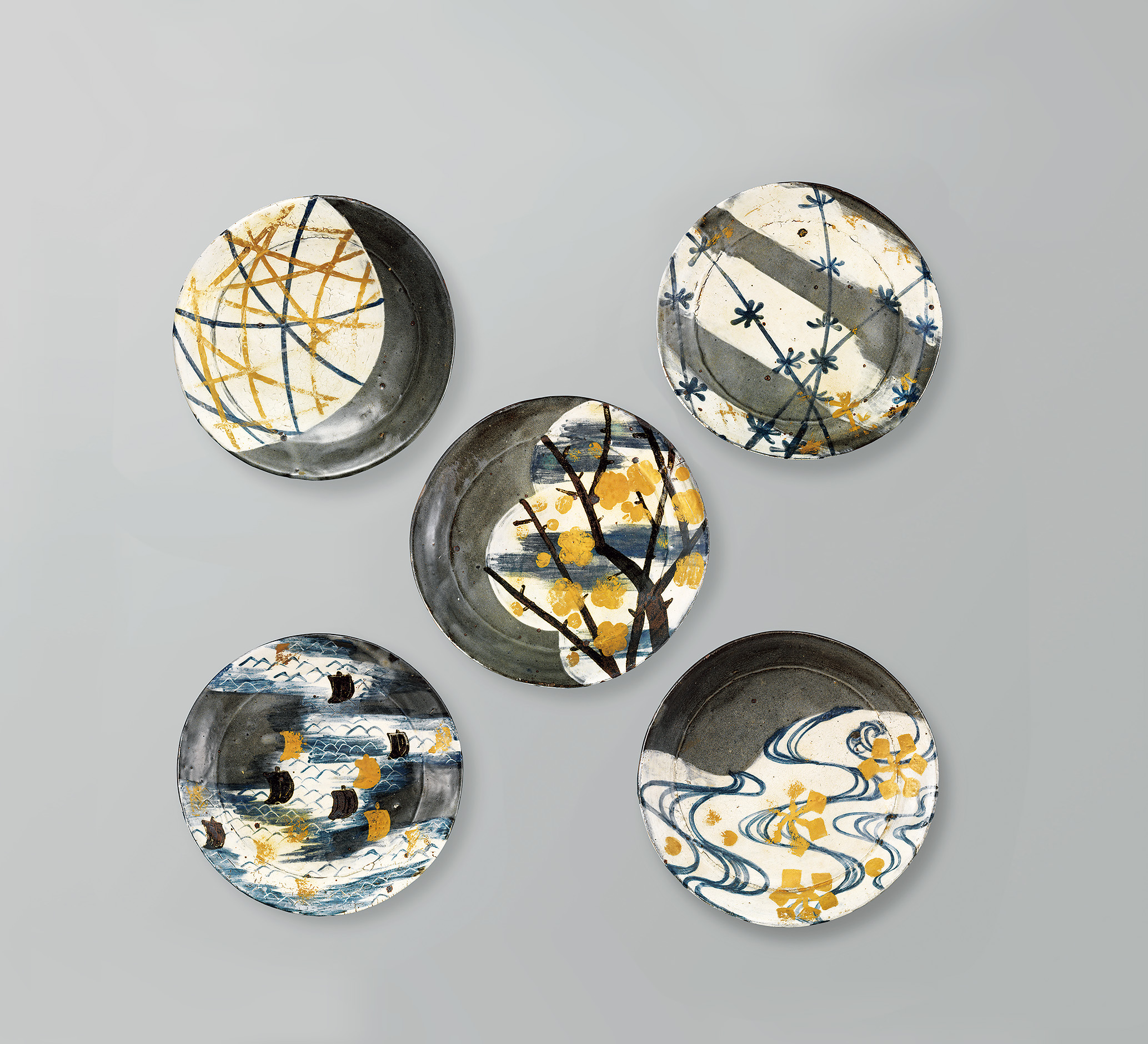
- Important Cultural Property
Dishes with Various Design
By Ogata Kenzan in Kyoto
Kenzan (1663-1742) was the younger brother of Ogata Kōrin, the painter after whom the Rimpa School is named. Using underglaze iron and gosu cobalt and overglaze gold and working in the Rimpa aesthetic, Kenzan created designs associated with the natural world throughout the four seasons for hand-formed earthenware Kyoto-ware dishes.
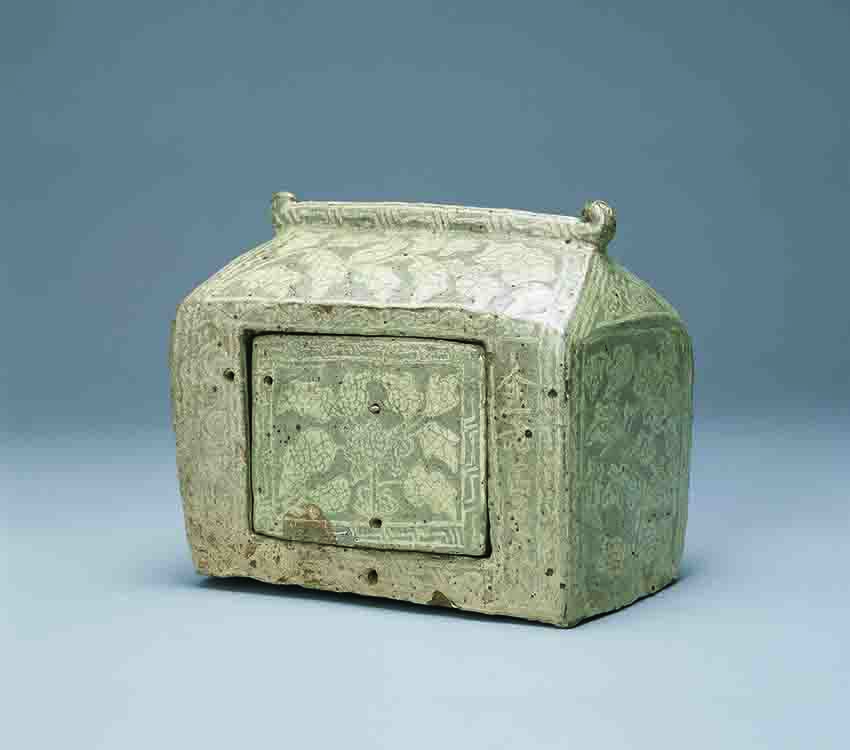
Buddhist Cabinet with Peony Design
Inlaying, in which the design is incised in the clay and filled in with white slip to produce the motifs, is a technique that was used extensively on ceramics from the Korean Peninsula. Inlaid decoration of a cabinet to hold a Buddhist artifact such as an image or sutra is, however, unusual. This cabinet is thus a rare work.
Concurrent Exhibitions
During “A Ceramic Travelogue: China, Japan, and the Korean Peninsula" (Saturday, August 15 – Monday, October 12, 2026)
Gallery 2
A Ceramic Travelogue: China, Japan, and the Korean Peninsula
Following Gallery 1featuring Chinese ceramics, please enjoy the Japanese works.
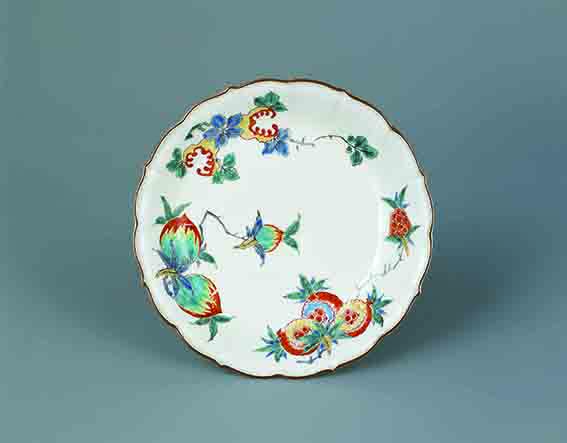
- Ceramics
Foliated Dish with Three Auspicious Fruits Design
Gallery 3
The Allure of Buddhist Art: Small Gilded Buddhist Statues and Buddhist Implements from Japan
In gallery 3, the exhibition includes small gilded Buddhist statues and copper Buddhist implements with Buddhist images rendered on them.
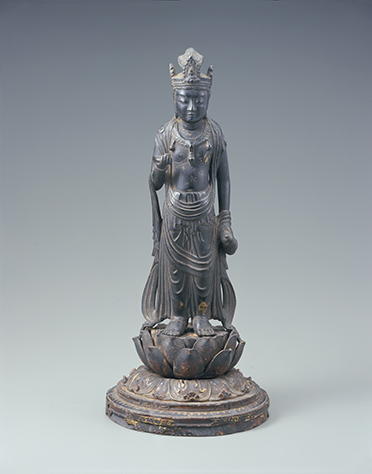
- Sculpture
Standing Kannon-bosatsu(Avalokiteśvara)
Gallery 4
Ancient Chinese Bronzes
The Nezu Museum collection of bronzes is world-renowned, and particularly strong in the area of late Shang (17th to 11th centuries BC) dynasty vessels, the pinnacle production period of this medium.
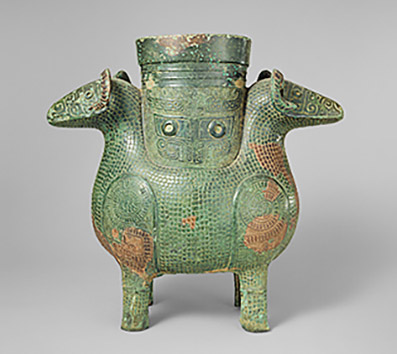
- Archaeological Artifacts / Mirror
- Important Cultural Property
Double-Ram Zun
Gallery 5
A Ceramic Travelogue: China, Japan, and the Korean Peninsula
Following Gallery 1 and 2, you can see the Korian ceramics in this gallery.
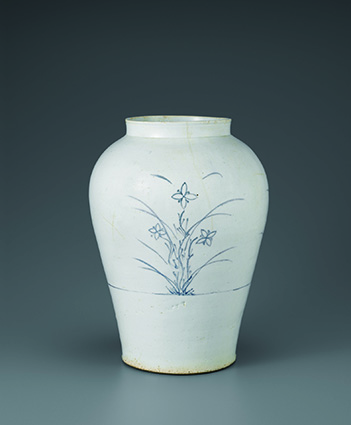
- Ceramics
Jar with Flower Design
Gwangju official kiln
Gallery 6
Meibutsu: Distinguished Tea Ceramics
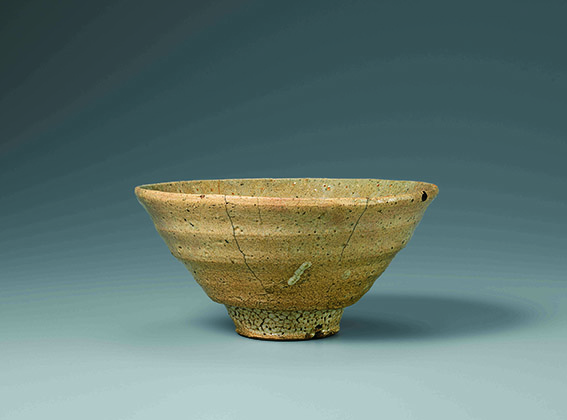
- Ceramics
- Important Cultural Property
Tea Bowl, Named Shibata
Special Case
Decorated Clock
This splendid Qing dynasty clock, a favorite of the Qianlong Emperor (1711-1799), is not to be missed.
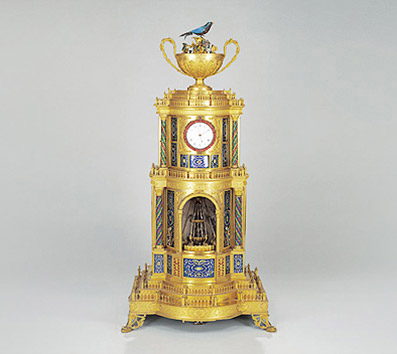
- Decorated Clock
Clock Decorated with a Bird on a Cup
- TOP
- Exhibitions
- Current